
Too Good Yoghurt: Simply too good
From Milk to Momentum: Growing Uganda’s Dairy Future
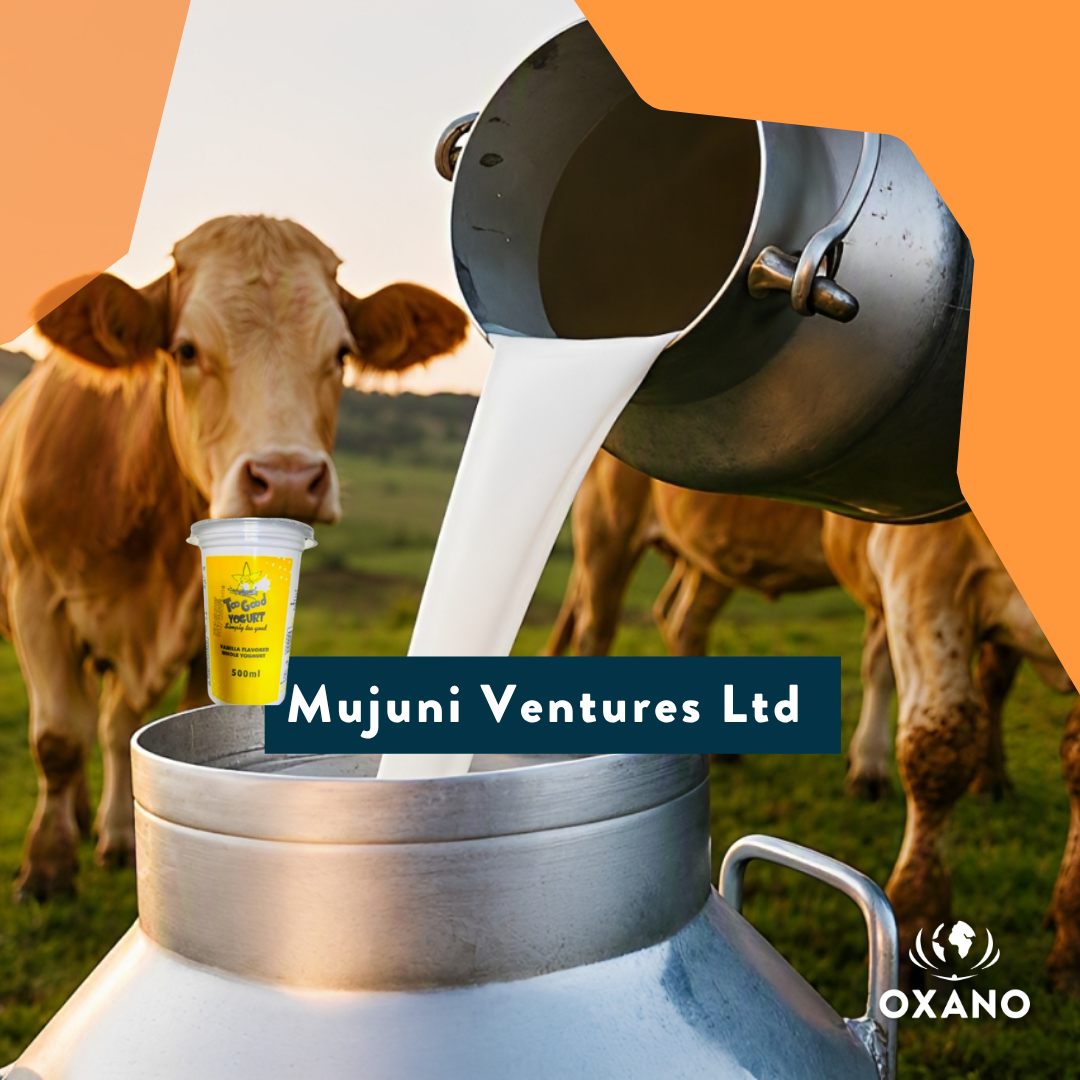
Mujuni Ventures is transforming Uganda’s dairy value chain by connecting smallholder farmers to reliable markets and turning locally sourced milk into Too Good Yogurt®, a growing Ugandan dairy brand. With expanding processing capacity, a growing distribution network, and a strong focus on local value addition, the company is creating opportunities for farmers, workers, and communities while bringing affordable, nutritious dairy products to consumers across Uganda
Summary
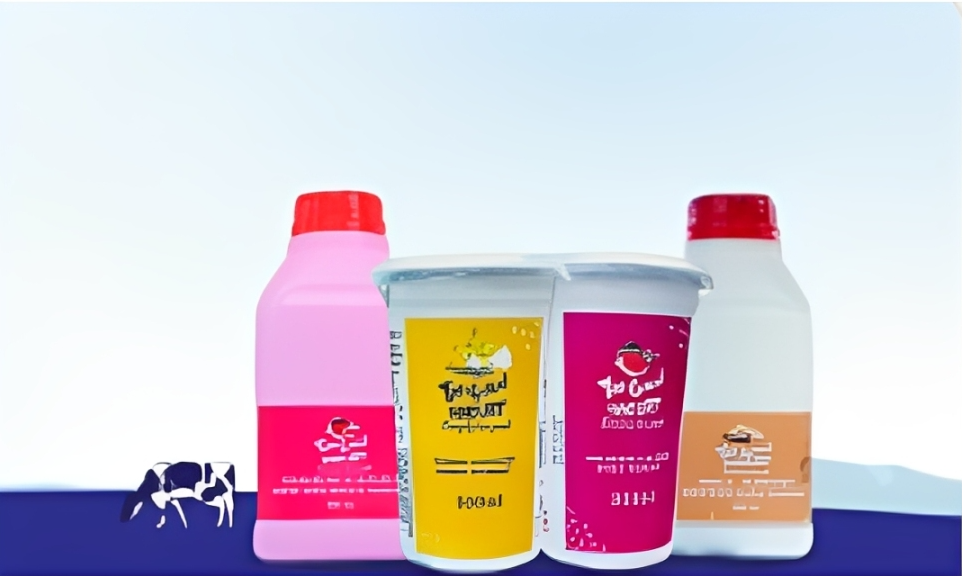
Mujuni Ventures Ltd is a Ugandan dairy processing and milk aggregation company founded in 2019 by Dickson Mujuni and headquartered in Kampala. The company operates across the dairy value chain, sourcing raw milk from smallholder farmers, aggregating and quality-testing it, and processing it into its flagship brand, Too Good Yogurt®. Sold in cups, pouches, and jerrycan packs across a range of volumes, Too Good Yogurt reaches consumers through a network of small shops, supermarkets, schools, and institutions.
Why Mujuni
Why We Backed Mujuni Ventures
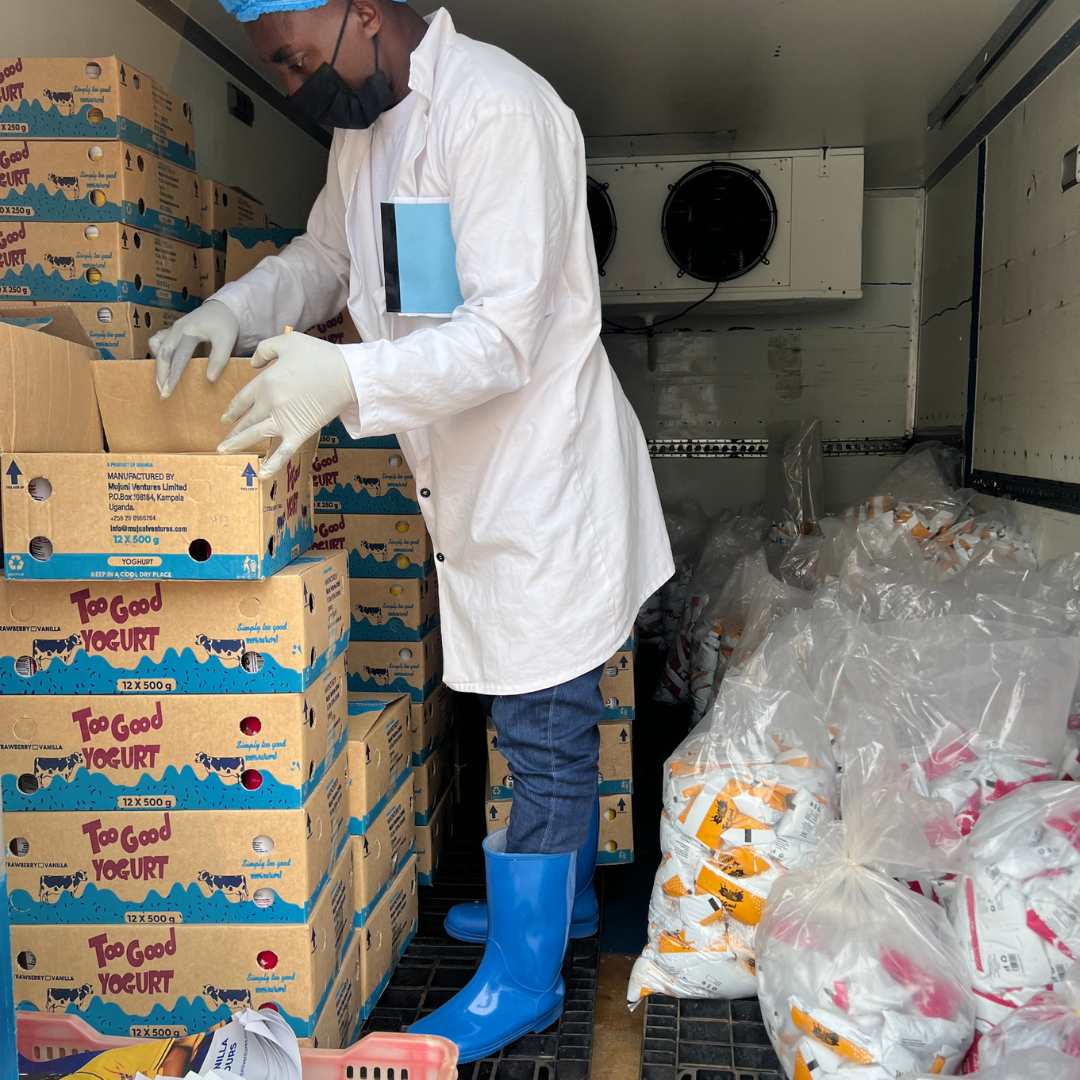
Mujuni Ventures represents a compelling opportunity, supported by a resilient business model, a trusted local brand, and measurable impact. Founder Dickson Mujuni has led the company’s growth since its establishment, significantly expanding milk aggregation while building Too Good Yogurt into a recognized name in Uganda’s dairy market. The company has built a strong operational foundation, including dedicated processing capacity, cold-chain infrastructure, and a growing distribution network serving small shops, supermarkets, and institutions.
With steady revenue, improving margins, and a founder who has demonstrated the ability to navigate significant operational shocks while maintaining profitability, Mujuni Ventures is well positioned for its next phase of growth. Beyond its commercial potential, the company generates meaningful social impact through smallholder income generation, rural job creation, and improved access to nutritious dairy products for the families and institutions it serves.
For Oxano Capital, Mujuni Ventures exemplifies the type of founder-led agribusiness capable of generating both attractive financial returns and lasting community impact.
Impact Model
Investing in People, Planet, and Profit
At Oxano Capital, we believe impact should not be measured solely through volumes, production figures, or beneficiary numbers, but through the real and lasting improvements in people’s lives.
We see impact through the people whose lives and livelihoods are directly connected to the businesses we support. Our approach starts with the individual farmer, entrepreneur, or worker and looks beyond business growth to understand how that growth translates into tangible improvements in people’s economic well-being. This includes whether farmers are earning higher and more predictable incomes, entrepreneurs are building sustainable businesses and creating productive employment, and workers are gaining access to more stable jobs, better working conditions, and opportunities to develop their skills and livelihoods. We also look at whether businesses are enabling more smallholders and underserved participants to access reliable markets, finance, inputs, technology, and formal value chains. Ultimately, we seek to understand whether the businesses we support are creating lasting economic opportunities, strengthening livelihoods, and allowing more people to participate meaningfully in growing and formalising markets.
This philosophy aligns with the United Nations Sustainable Development Goals, particularly those focused on poverty reduction, food security, health and well-being, gender equality, decent work, economic growth, industry and infrastructure, responsible consumption, climate action, and partnerships.
Mujuni Ventures strongly reflects this approach. By working closely with smallholder dairy farmers, the company provides a reliable market and fair pricing for their milk, supporting more stable rural household incomes while producing affordable, nutritious yogurt that contributes to food security for families and institutions across Uganda.
Too Good Yogurt also supports public health by providing a nutrient-rich dairy product that can contribute to healthier diets and improved nutrition.
The company creates employment opportunities for women and youth across sales, logistics, and processing, while continued investment in modern processing equipment and cold-chain infrastructure supports value addition within Uganda’s dairy sector and helps shift the industry away from raw milk exports.
By processing raw milk into yogurt, Mujuni Ventures reduces spoilage and post-harvest milk waste — a major challenge within Uganda’s dairy sector — while exploring more sustainable packaging solutions.
Beyond economic outcomes, the company is exploring renewable energy and water-recycling investments to reduce the environmental footprint of dairy processing. It also works in partnership with local farmers, input suppliers, logistics providers, and financial partners to strengthen the wider dairy ecosystem.
Beyond economic outcomes, the company is exploring renewable energy and water-recycling investments to reduce the environmental footprint of dairy processing (SDG 13), and works in partnership with local farmers, input suppliers, logistics providers, and financial partners to strengthen the wider dairy ecosystem (SDG 17).

SDG 1 : No Poverty
Provides stable incomes for 2,500 smallholder farmers through a reliable market for their milk, and creates jobs for 45+ full-time and 75 part-time employees.
SDG 2 : Zero Hunger
Produces affordable, nutritious yogurt and supplies schools and hospitals, helping ensure children and patients access high-protein dairy products.
SDG 3: Good Health & Well-being
Too Good Yoghurt is a nutrient-rich product positioned as a healthy alternative for health-conscious consumers, supporting digestion, bone health, and childhood development.
SDG 5: Gender Equality
Empowers women's participation in dairy farming and retail, including as sales agents across the distribution network.
SDG 8: Decent Work and Economic Growth
Provides fair wages and stable employment across factory, logistics, and sales roles, with a strong focus on youth employment.
SDG 9: Industry, Innovation and Infrastructure
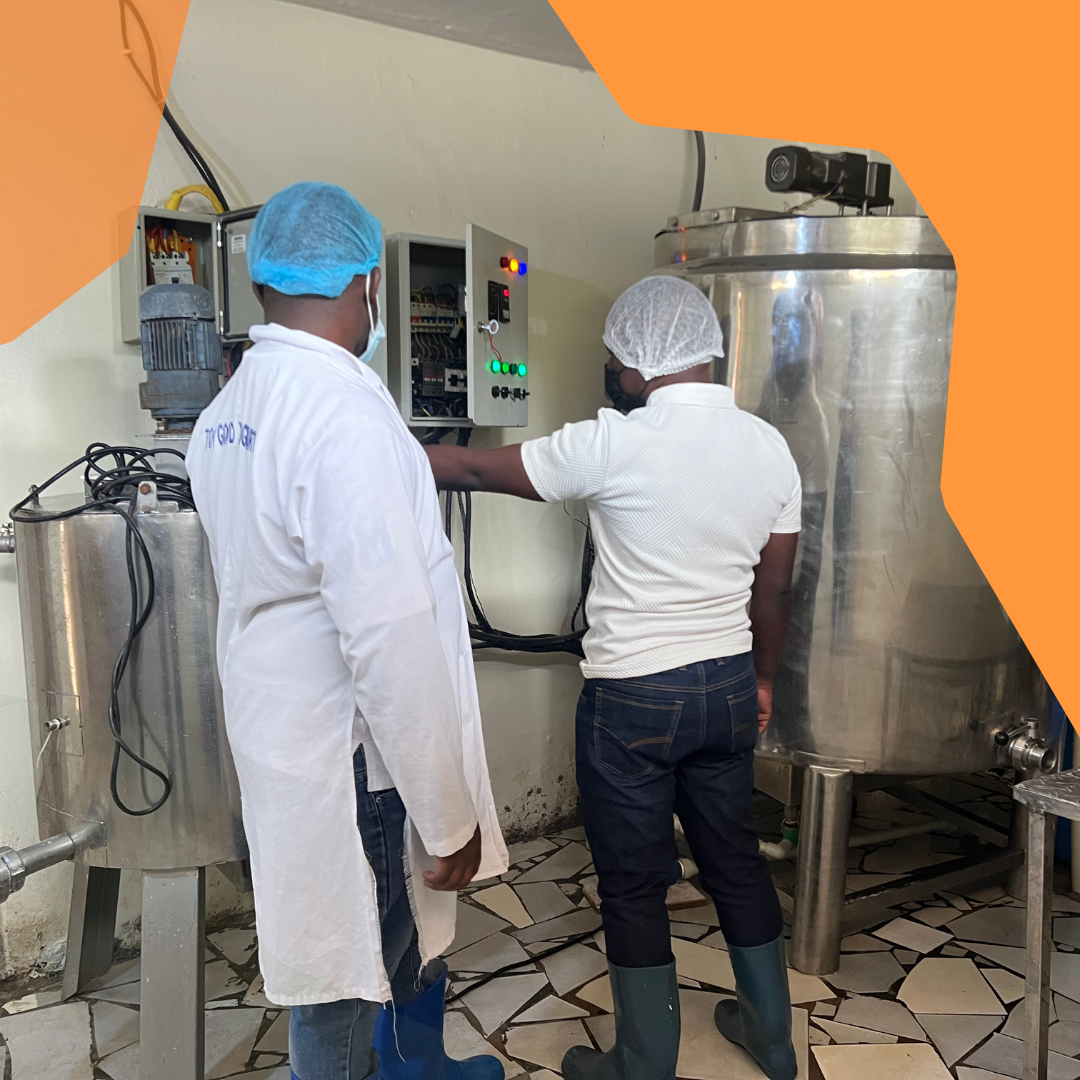
Invests in modern dairy processing technology and cold-chain infrastructure to support value addition over raw milk exports.
SDG 12: Responsible Consumption & Production
Reduces milk waste by processing over 1 million litres of milk annually and is exploring more sustainable packaging solutions.
SDG 13: Climate Action
Sources milk locally to minimise transport emissions and is exploring renewable energy for its processing operations.
SDG 17 : Partnerships for the Goals
Partners with local farmers, distributors, and financial partners to fund expansion and strengthen the dairy value chain.
The Future Ahead
From Smallholder Milk to a National Dairy Brand
With Oxano Capital's investment, Mujuni Ventures is poised to upgrade its production line, expand its cold chain, and accelerate distribution and brand-building across Uganda. Backed by a founder who has already steered the business through real operational shocks, a growing farmer network, and clear opportunities to shift more of its milk supply into higher-margin processed products, the company is well positioned to deliver both financial returns and meaningful social impact.
Beyond business growth, this investment will directly translate into more reliable incomes for smallholder dairy farmers, more jobs for young sales agents and bikers, and wider access to affordable, nutritious dairy for households, schools, and hospitals across Uganda. Every litre of milk that moves from the informal market into Mujuni Ventures' value chain is a step toward more farmers earning a fair price, more families with stable incomes, and more communities with reliable access to good nutrition.
Looking forward, we are excited to support Mujuni Ventures' journey — contributing to rural economic development through job creation, smallholder farmer empowerment, and improved access to high-quality dairy across Uganda. This investment reflects our guiding principle, Auxano, meaning "to cause growth," by fostering businesses that generate lasting value for individuals, communities, and local economies.
Founder's story
The Story Behind Mujuni
Dickson Mujuni founded Mujuni Ventures as a small milk aggregation business, buying raw milk from smallholder farmers in Southwestern Uganda. As he built trust with the farmer community, he took a bigger step: launching his own processing line and Too GooD Yogurt, so both the company and its farmers could capture more value than raw milk alone allowed.
That bet was tested by a regional border closure and a livestock disease outbreak — yet Mujuni held the business together and even improved margins through the disruption. Today, Too GooD Yogurt reaches households across Uganda, still under his full ownership.

Insights
Portfolio Companies
These are some of the companies that have built long-term partnerships with Oxano Capital. Together, we work to strengthen businesses, drive sustainable growth, and create lasting impact across Africa through strategic investment and collaboration
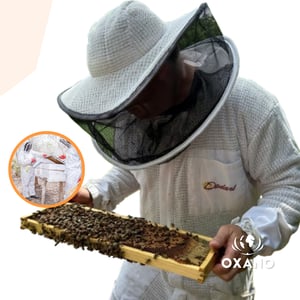
COUNTRY: UGANDA
12-4-2026
Delta Bees
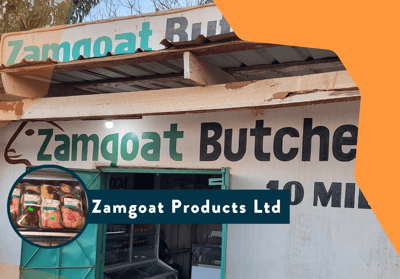
COUNTRY: ZAMBIA
12-2-2026
Zamgoat
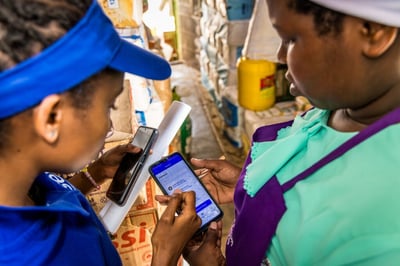
COUNTRY: KENYA
01-07-2026