
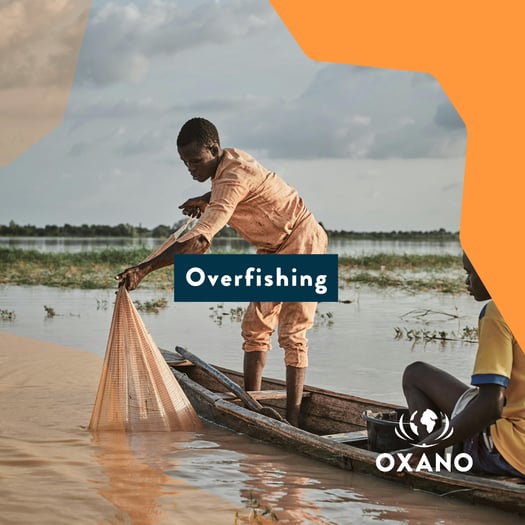
From Overfishing to Opportunity: Investing in Sustainable Aquaculture
Across Africa’s coastal and inland waters, fisheries have long been a pillar of food security, employment, and trade. Millions of households depend on fishing for income and as a primary source of protein. Yet overfishing, illegal and unregulated fishing practices, pollution, and climate change are pushing many wild fish stocks to critical levels. Coastal communities are witnessing declining catches, smaller fish sizes, and greater income instability. At the same time, Africa’s population is projected to double by 2050, significantly increasing demand for affordable protein. This tension between shrinking wild stocks and rising food demand creates both a crisis and an opportunity. Sustainable aquaculture, if responsibly designed and financed, offers a pathway to restore marine ecosystems while meeting nutritional and economic needs.
Aquaculture remains underdeveloped in most African countries where it supplies the majority of consumed fish. Yet Africa has significant untapped potential: extensive freshwater resources, long coastlines, favorable climates, and growing domestic markets. Countries such as Egypt, Nigeria, Ghana, and Zambia have already demonstrated that fish farming can scale under the right policy and market conditions. However, scaling aquaculture without replicating the environmental problems seen elsewhere requires careful attention to sustainability. Poorly managed fish farms can lead to water pollution, disease outbreaks, feed inefficiencies, and ecosystem degradation. The goal, therefore, is not simply more aquaculture but better aquaculture.
Sustainable aquaculture in Africa must prioritize environmentally responsible practices. This includes improved feed conversion ratios to reduce reliance on wild-caught fishmeal, adoption of alternative protein feeds (such as insect-based or plant-based inputs), water recirculation systems that minimize discharge, and site selection that protects sensitive ecosystems like mangroves. Technological innovation plays a central role. Digital monitoring tools can track water quality and fish health in real time, reducing mortality rates and improving productivity. Solar-powered aeration systems can lower energy costs in off-grid environments. Integrated multi-trophic aquaculture where different species are farmed together in complementary systems can recycle nutrients and reduce waste. These approaches not only protect ecosystems but also improve operational efficiency and long-term profitability.
Beyond environmental considerations, sustainable aquaculture presents a strong economic and social case. Africa imports billions of dollars’ worth of fish annually to meet domestic demand. Expanding local aquaculture can reduce import dependency, strengthen trade balances, and create rural employment. Fish farming generates opportunities across the value chain from hatcheries and feed production to cold storage, processing, and distribution. With appropriate financing models, smallholder farmers can participate through cooperative pond systems or contract farming arrangements. Importantly, aquaculture can provide stable year-round income compared to increasingly unpredictable wild fishing. For youth and women in coastal and inland communities, it offers an entry point into a growing agribusiness sector with relatively short production cycles.
However, the sector faces structural constraints that require strategic investment. Access to affordable feed remains a major bottleneck, often accounting for 60–70% of production costs. Limited hatchery capacity affects fingerling quality and survival rates. Financing is constrained by perceived risks, biological uncertainties, and limited collateral among small producers. Cold chain gaps further restrict access to premium urban markets. Addressing these barriers requires ecosystem thinking: investment in feed mills, hatchery networks, cold storage infrastructure, technical training, and market linkages must evolve together. Blended finance models can help de-risk early-stage investments, while technical assistance can improve farm management and biosecurity standards.
For impact-oriented investors, sustainable aquaculture sits at the intersection of food security, climate resilience, and livelihood creation. It aligns with multiple development priorities: reducing poverty, improving nutrition, protecting marine ecosystems, and fostering economic growth. But long-term impact depends on governance and stewardship. Clear regulatory frameworks, enforcement against illegal fishing, environmental standards, and data transparency are essential to ensure aquaculture complements rather than replaces sustainable fisheries management. Investment strategies must look beyond short-term production targets and focus on building resilient aquatic ecosystems and inclusive value chains.
Africa stands at a crossroads. Continued overfishing will deepen ecological and economic vulnerability. But with thoughtful investment and innovation, aquaculture can transform from a niche activity into a cornerstone of sustainable protein production. Moving from overfishing to opportunity requires capital that understands biological cycles, policy environments, and community dynamics. When sustainability is embedded at the core, aquaculture can become not just an alternative to declining fisheries, but a driver of long-term blue economy growth across the continent.